The notion of disturbance as a means for change is intrinsic across so much of Caribbean culture. Disturbance, rooted in the arrival of European settlers and their descendants, has impacted the region from first contact with Indigenous peoples to the present day. These dissident roots, deeply locked into the forced migration and labour of Africans, further bloomed through the arrival of Indian and Chinese indentured workers. Just as Africans know the Atlantic to be the world’s largest grave site, the Caribbean Sea holds regional memories that echo all its historic and contemporary tensions and turmoil, with a great bombastic release seasonally with every hurricane.
Alongside the scientific understanding of the climate crisis, the sea holds memories of the harsh conditions that created the cultures we now understand as Caribbean. These memories often channel ancestral energy into longer and more destructive hurricane seasons.
The sea, angry at a lost Spanish sailor renaming a region to which he had no claim, holds this memory. The Caribbean itself is a colonial naming and ordering of an already inhabited and enormously varied region, mapped, claimed and divided through systems that attempted to make it legible to empire.
It holds the memories of extraction and inhumanity.
It holds memories of empire and emancipation.
It holds close the memories of resistance.
It holds turmoil.
But the sea does not only hold disturbance. It disturbs in return. It moves against borders, unsettles coastlines, carries people, histories and memories across territories, and refuses the fixed order imposed upon it. The question, then, is not only who disturbs the sea, but how the sea itself becomes a force of disturbance.
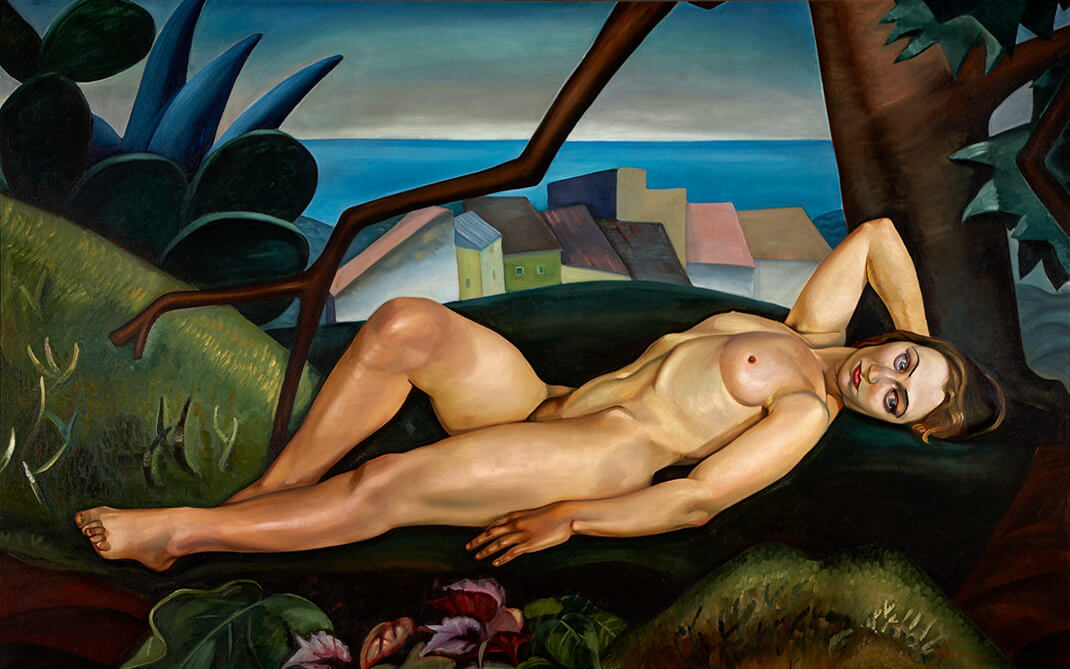
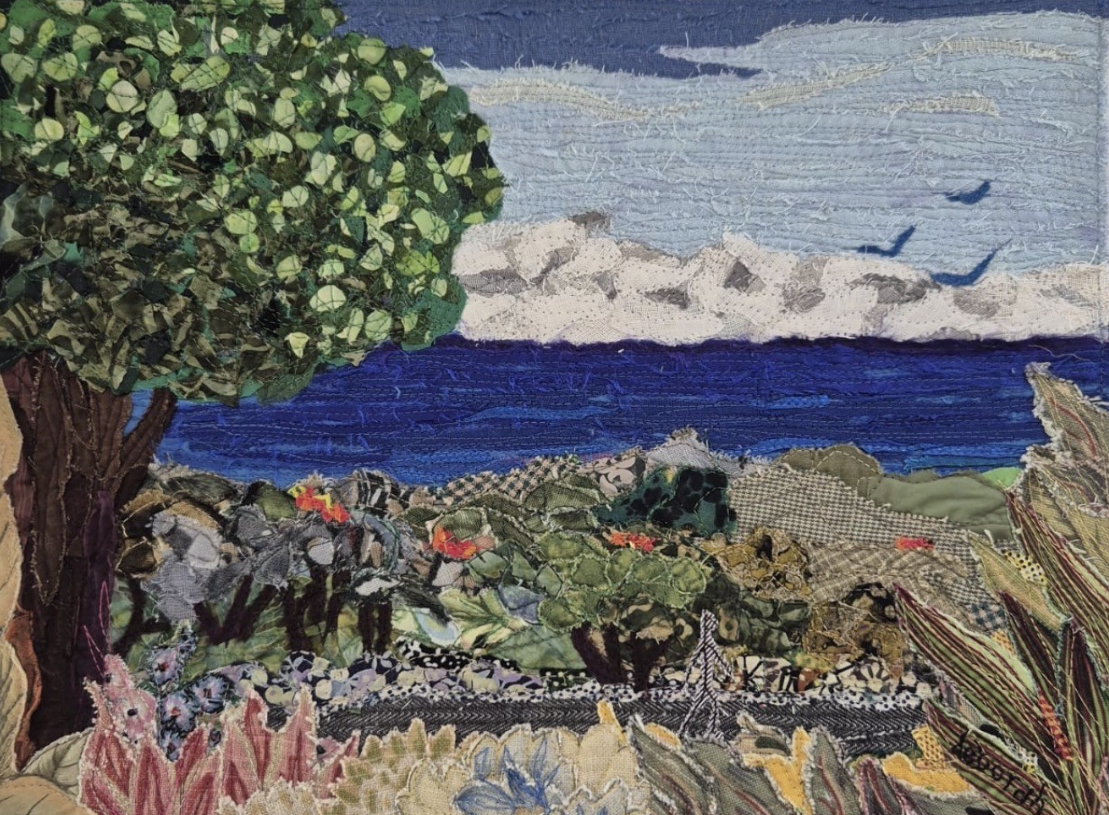
This exhibit is a nod to artists in the Caribbean and across its diasporas who understand that, through their work, they have an opportunity to shape memories and turn the tides—to honour past lives by creating something about the present while conscious of the future. They too disturb: inherited histories, imposed narratives, fixed geographies, and the ways the Caribbean has been named and understood from elsewhere.
These artists pay homage to the range of ways we make and hold memories through the creation of beauty. Their works are a nod to a shared understanding of a place shaped by 26 nations and thousands of islands. The people of the Caribbean and their diasporas have long required that their creatives shape and reflect the stories that have transformed and informed these places, as well as the world’s understanding of what it means to be of and from the Caribbean.
Curated by Karen Carter
Artists include: Christine Checinska, Lennox Coke, Sharon Cunningham, Precious Lovell, Christophor Messam, Milton Messam, Mazaré Trim, and Deborah Tyrell.